Optimizing Blender Workflows For Custom 3D Figure Design
Published
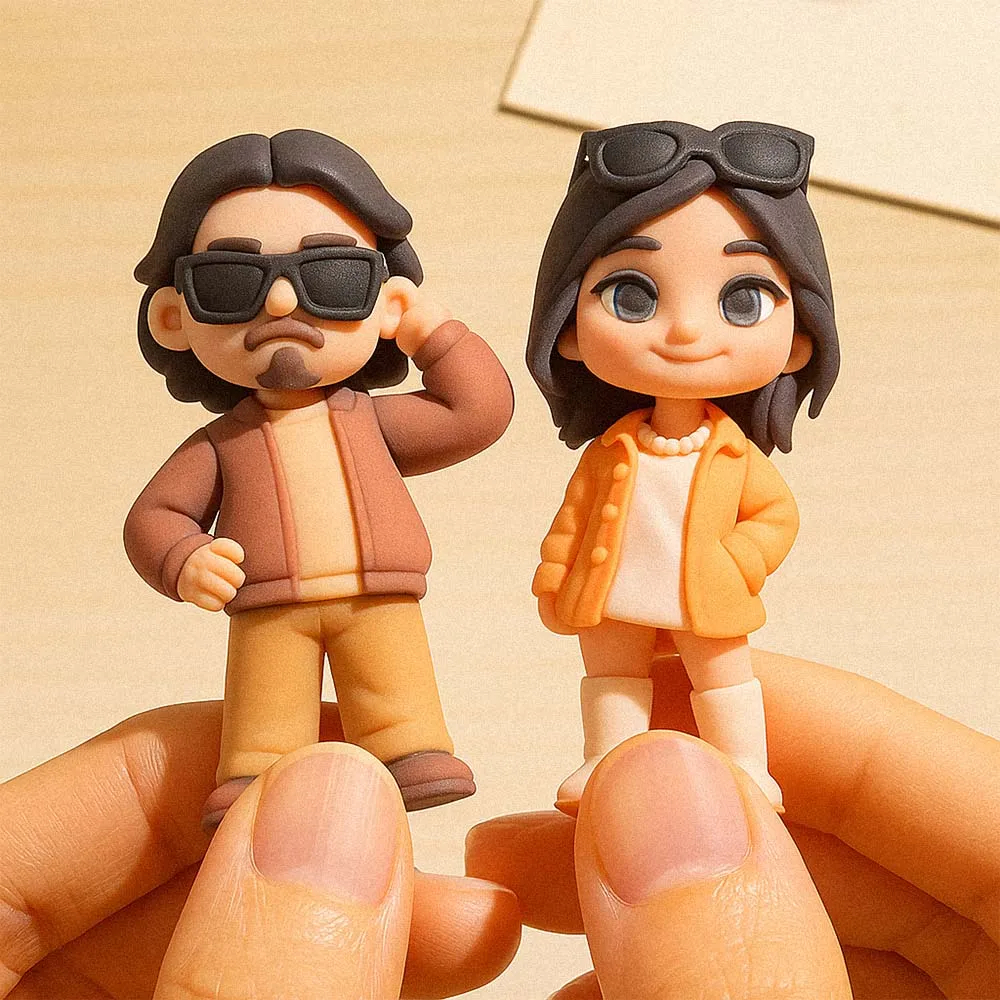
Streamlining Blender Processes for Tailored 3D character Creation
Enhancing Efficiency in Digital Sculpting
Establishing a consistent digital sculpting process within blender can considerably cut down the time needed to design unique 3D characters. By implementing standardized techniques, artists can focus more on creativity rather than getting bogged down by repetitive tasks.Utilizing Boolean Operations for Modular Design
Incorporating boolean operations allows designers to divide their models into several interlocking components. This modular approach not only simplifies the physical painting process but also enhances the overall assembly of printed figures. As an example, creating separate parts for limbs and accessories ensures that each section can be painted with precision before final assembly.Minimizing Printing Errors Through Effective Preparation
Thorough digital preparation is crucial in reducing printing mishaps and streamlining your custom toy production workflow. By meticulously checking mesh integrity and optimizing designs for printability, creators can avoid common pitfalls that lead to failed prints. Recent studies indicate that up to 30% of 3D prints fail due to inadequate preparation; thus, investing time in this phase pays off significantly in terms of efficiency and cost-effectiveness.Conclusion: A New Era of Custom Toy Manufacturing
By refining workflows in Blender through standardization, utilizing boolean techniques, and prioritizing thorough preparation, designers are better equipped to navigate the complexities of custom toy manufacturing. Embracing these strategies not only accelerates production timelines but also elevates the quality of finished products—ultimately leading to greater satisfaction among creators and consumers alike.Questions or corrections about this content can be sent to support@custom3dfigure.com.