Understanding the 3D Figure Digital CAD Modeling Process
Learn how custom 3D figure CAD modeling uses face photos, outfits, poses, props, and design notes to prepare a figure for production.
Published
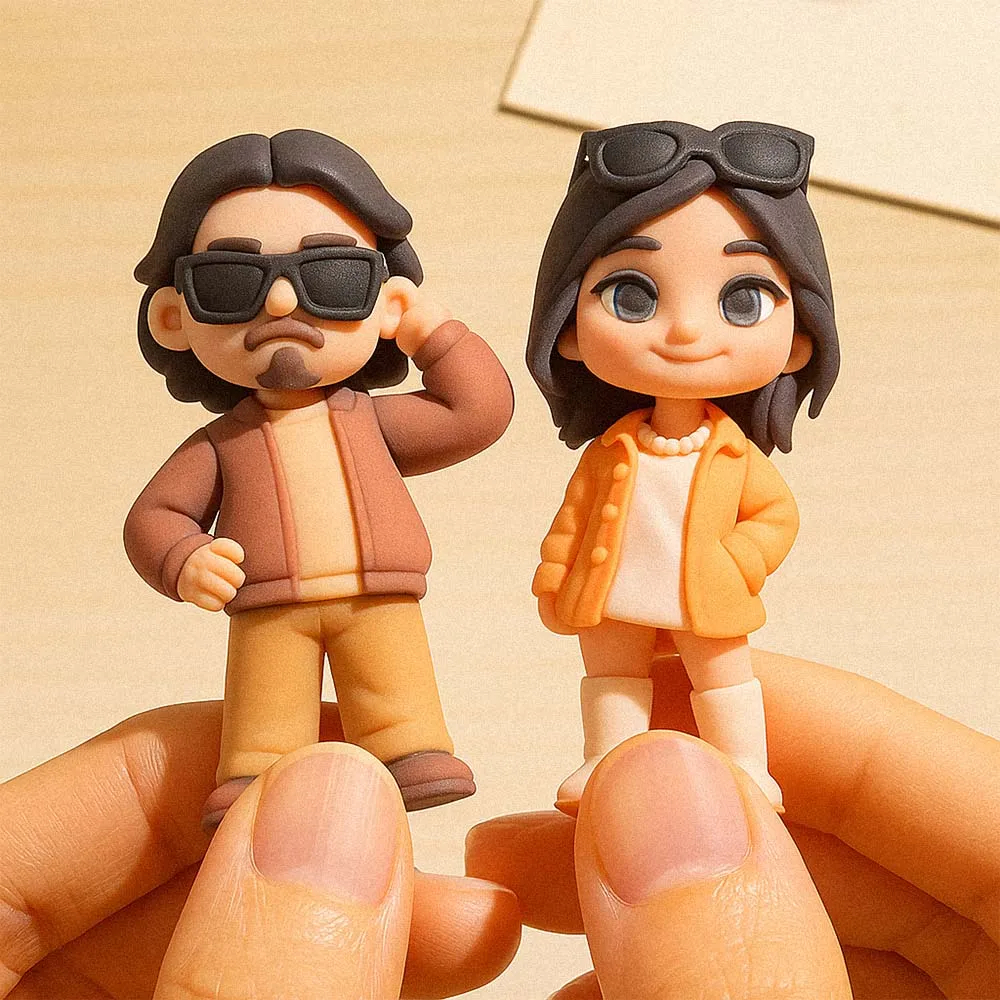
Digital modeling is the step that turns photos and design notes into a custom 3D figure concept. It is where face references, outfit details, pose, props, and display base choices become a 3D form that can be prepared for production.
You do not need to understand CAD software to order a figure, but knowing the process helps you provide better references.
What CAD Modeling Does
CAD modeling shapes the figure's structure: head, body, clothing, pose, accessories, and base. The goal is not to copy every photo pixel. The goal is to create a recognizable, stable, and displayable custom figure.
How Photos Are Used
Face photos guide likeness. Outfit photos guide clothing shape and colors. Pose references guide body position. Prop photos help with accessories. If one photo is only for clothing and another is only for the face, explain that in your notes.
Why Some Details Are Simplified
Very small text, thin wires, tiny jewelry, and complex logos may need simplification. At figure scale, a clear shape often works better than fragile micro-detail. This keeps the final piece cleaner and more durable.
What Buyers Should Provide
- A clear face photo.
- An outfit or uniform reference.
- A pose idea.
- Prop references if needed.
- Notes about occasion, base text, deadline, and display use.
How Modeling Connects to Production
After the digital model is planned, it must be prepared for production. Stability, base support, wall strength, and small accessories all matter. Good modeling choices make the final figure easier to finish and display.
For the buyer side of the process, read the custom 3D selfie production process.
FAQ
Do I need CAD files?
No. Most buyers only need to provide photos, notes, and design preferences.
Can CAD modeling copy an exact pose?
A pose reference helps, but the final pose may be adjusted for stability, display, and production quality.
Why are small props simplified?
Small props may need simplification so they remain visible and durable at figure size.